
I am so sorry but the WiFi on this trip was so awful that I was not able to blog. Even when we did have service, opening simple emails was often a chore. So instead of my daily ramblings I hope one very long post to summarize the remainder of our trip will suffice.
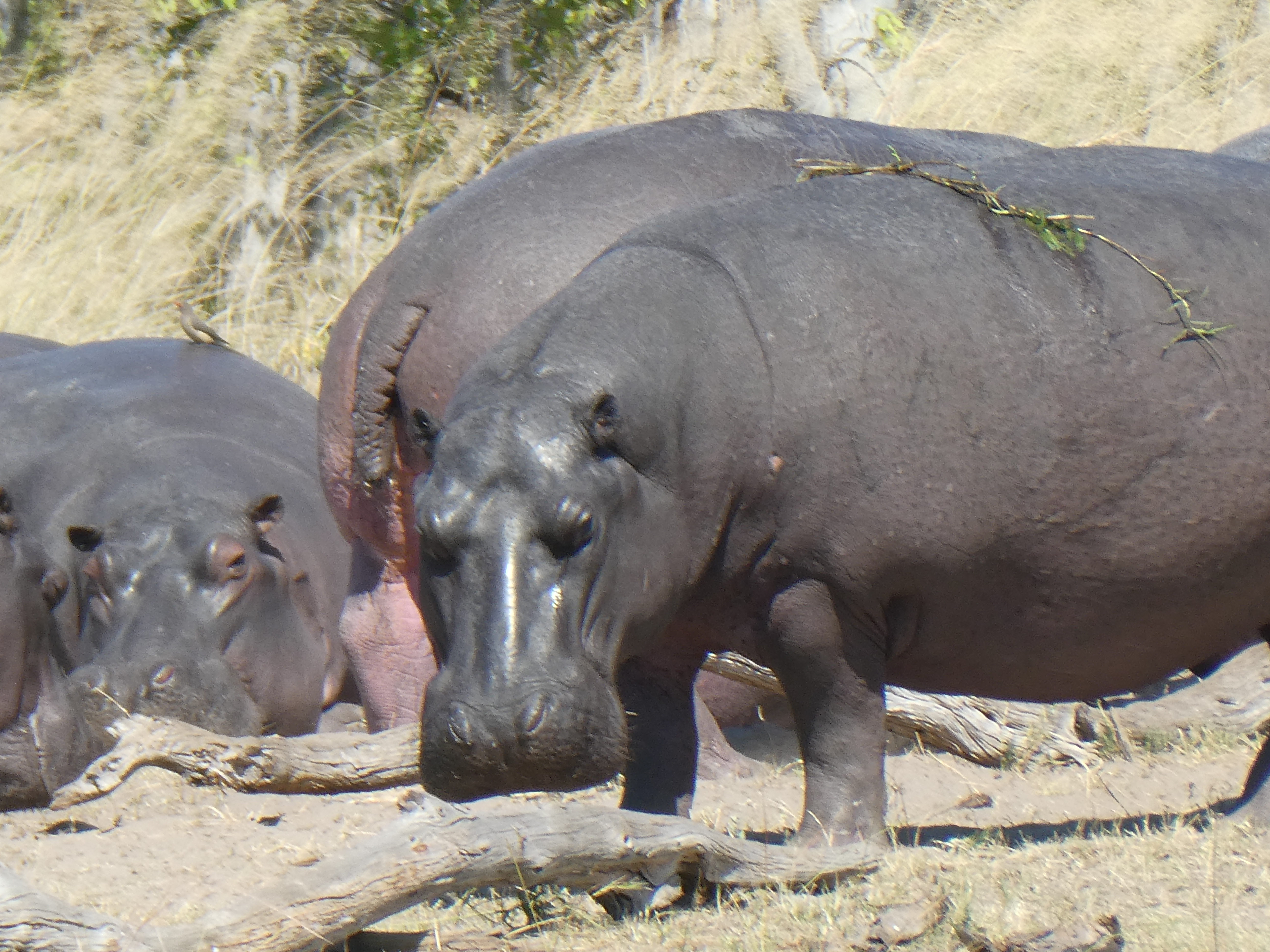
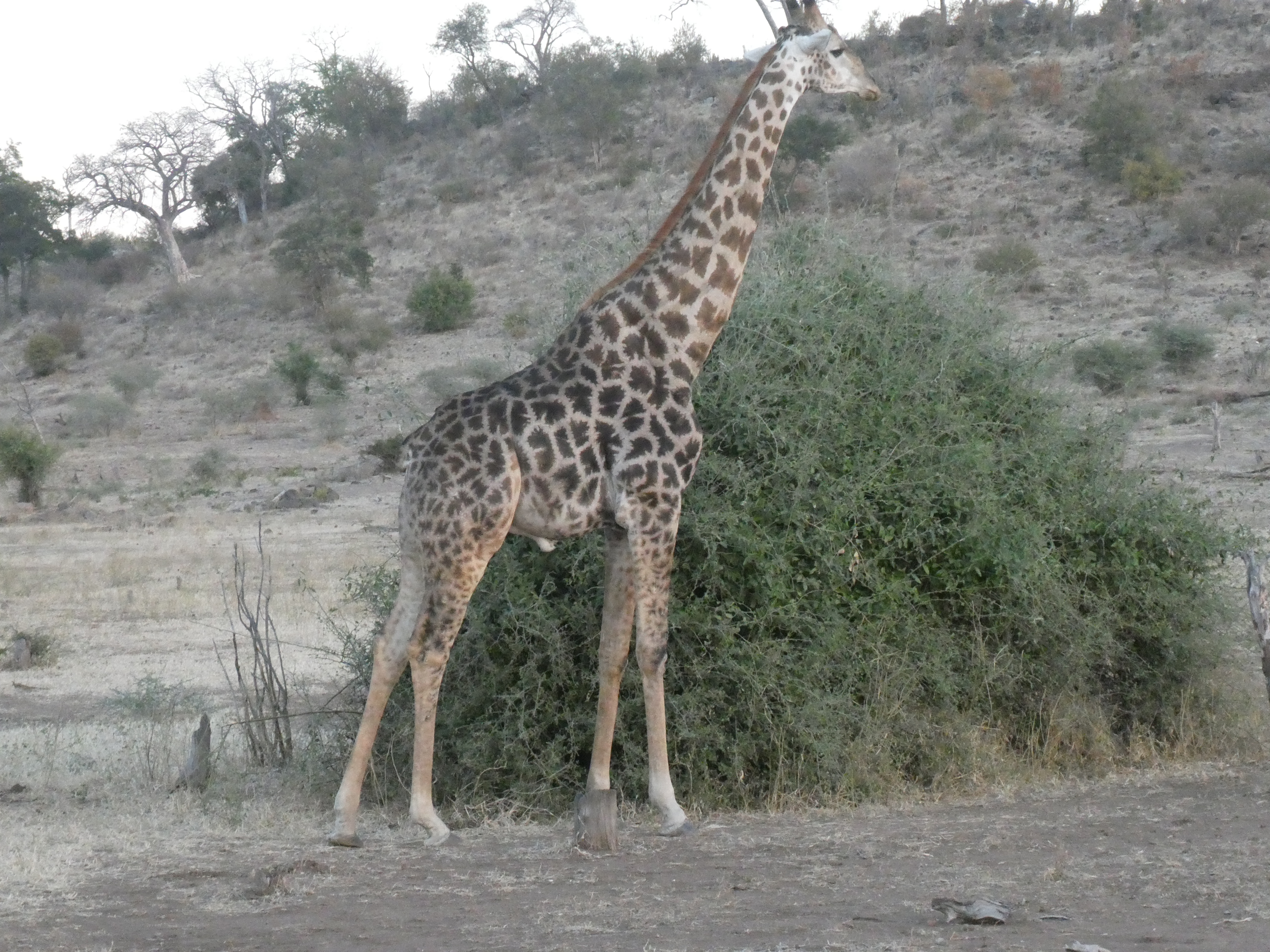
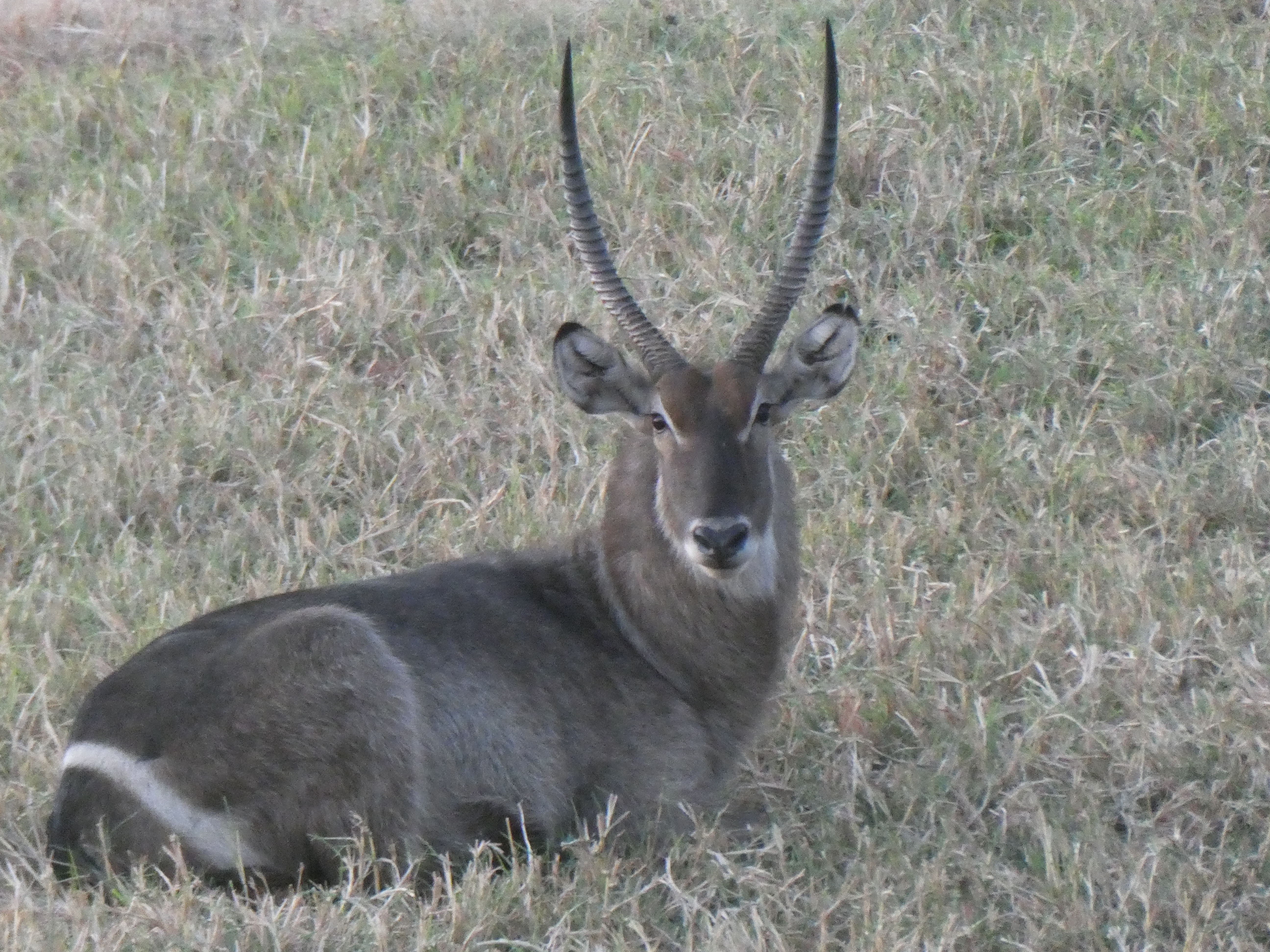
Patrice and I are finally home. The trip was a success but not without its challenges. You already know about our drama on day one and our brief visit in Johannesburg but much more was to follow. After leaving Johannesburg we spent 3 nights each in 4 different camps in order to go on safaris. We stayed in Hwange National Park in Zimbabwe, Kafue National Park in Zambia, Chobe National Park in Botswana and finally the Okavango Delta also in Botswana. Each had its own charm and variety of animals. We were very lucky to see all the animals on our wish list and a bunch of bonus creatures including some of which I had never heard of prior to this trip. I learned a lot about the animals but unfortunately looking at my pictures it remains a challenge to differentiate between a Kudu (not Kudo), Puku, and a Roan (and don’t get me started on the birds).
The one common feature of every one of the safari parks was that they were incredibly cold in the morning, too hot in the afternoon and unbearably cold at night. Our rooms were “tent cabins” with zero insulation. It was impossible to shower in the morning (I quickly learned it was best to shower after the very warm early evening game drives) and the nights were totally miserable. One night in order to sleep I wore (from bottom to top) socks, thermal underwear, pajama bottoms, t-shirts (one short sleeve and one long sleeve), pajama top, sweatshirt, and a wool cap. In spite of all those articles of clothing I was still cold. For animal lovers who are used to camping in challenging weather, this is the trip for you. If you are like us and consider roughing it when you stay at a Holiday Inn, this might not be your ideal adventure. Yes, the accommodations were not adequate for this tender boy from Southern California. But the sights during the day (and sometimes at night) were often spectacular.
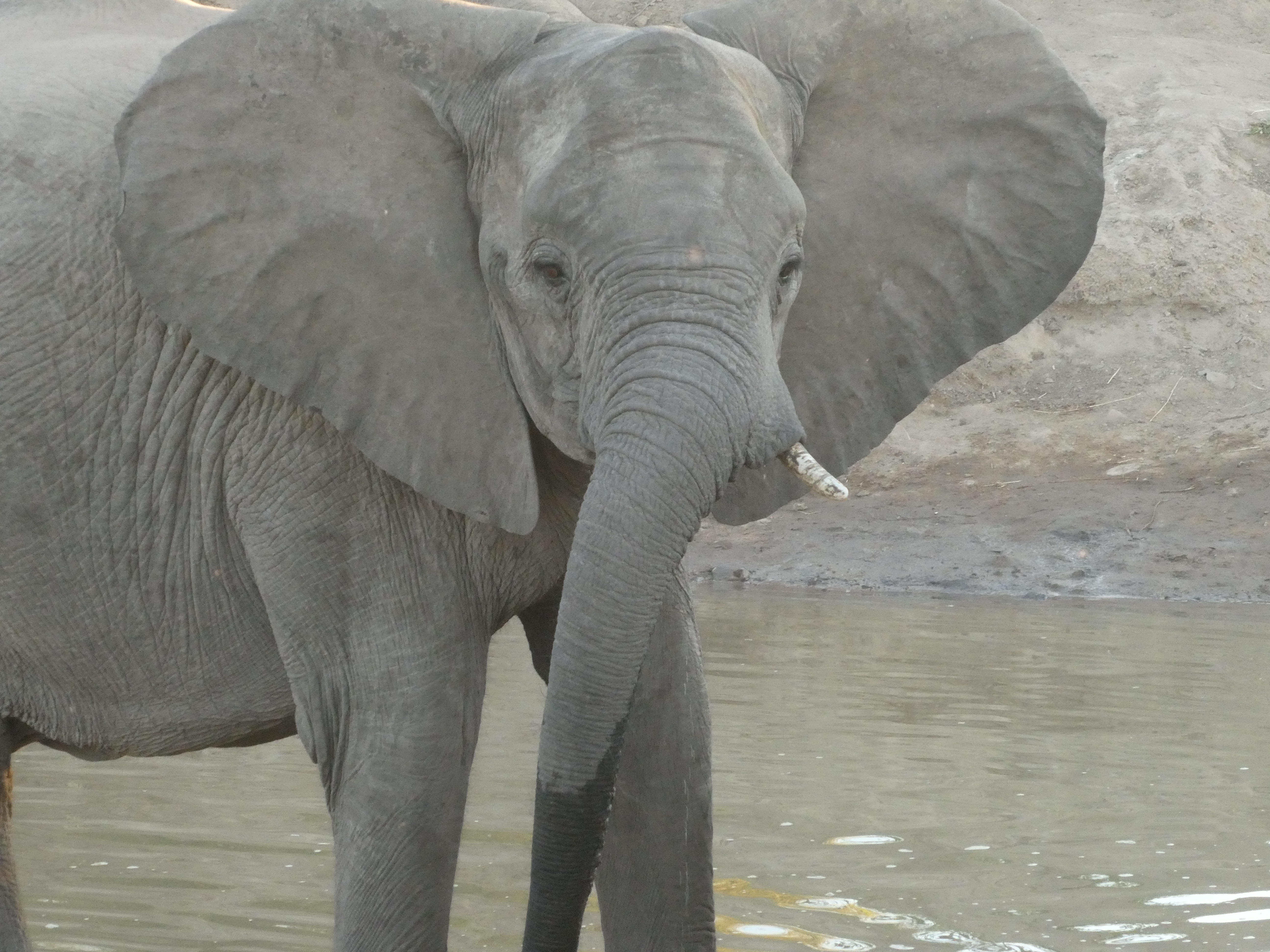

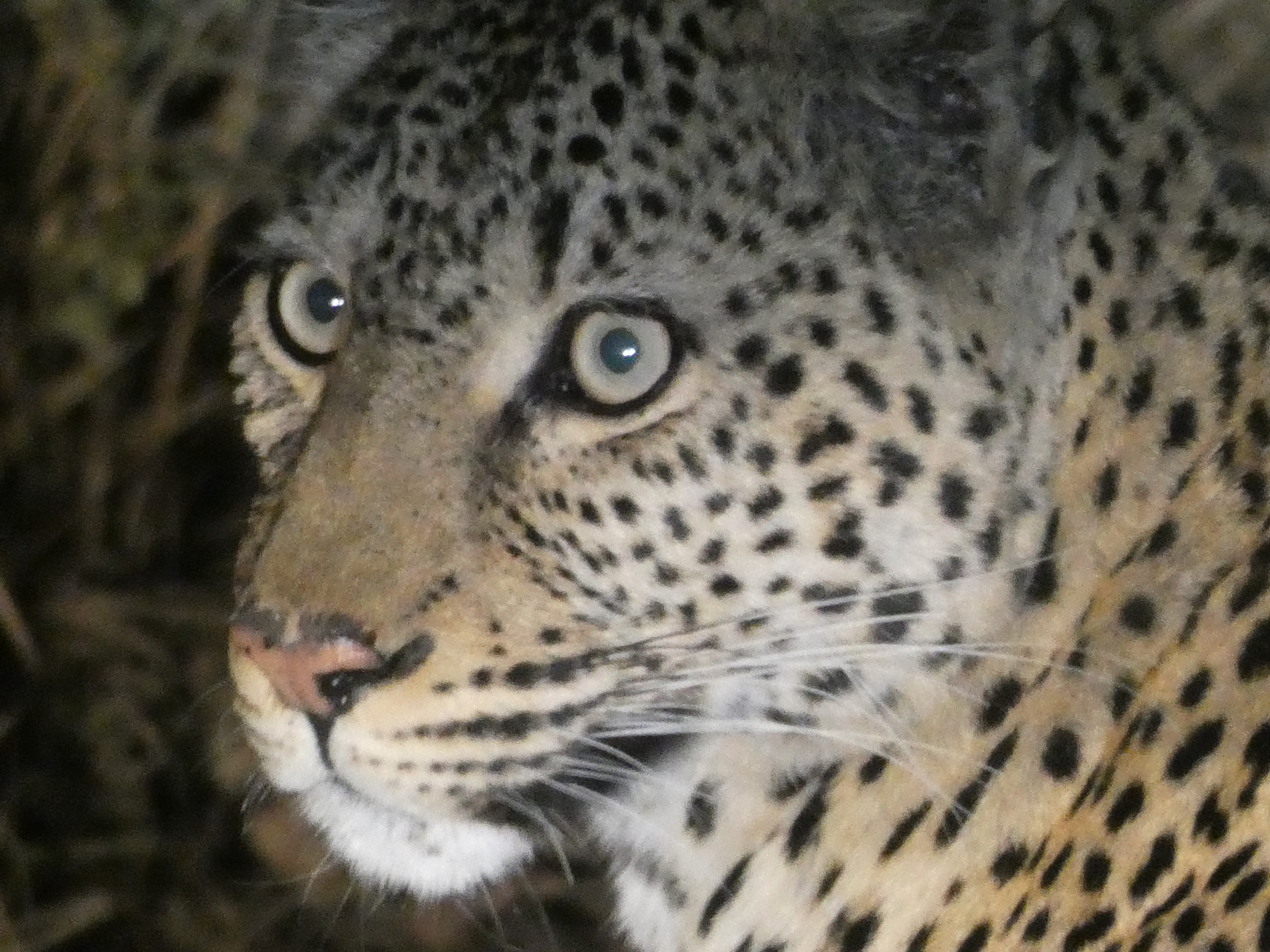
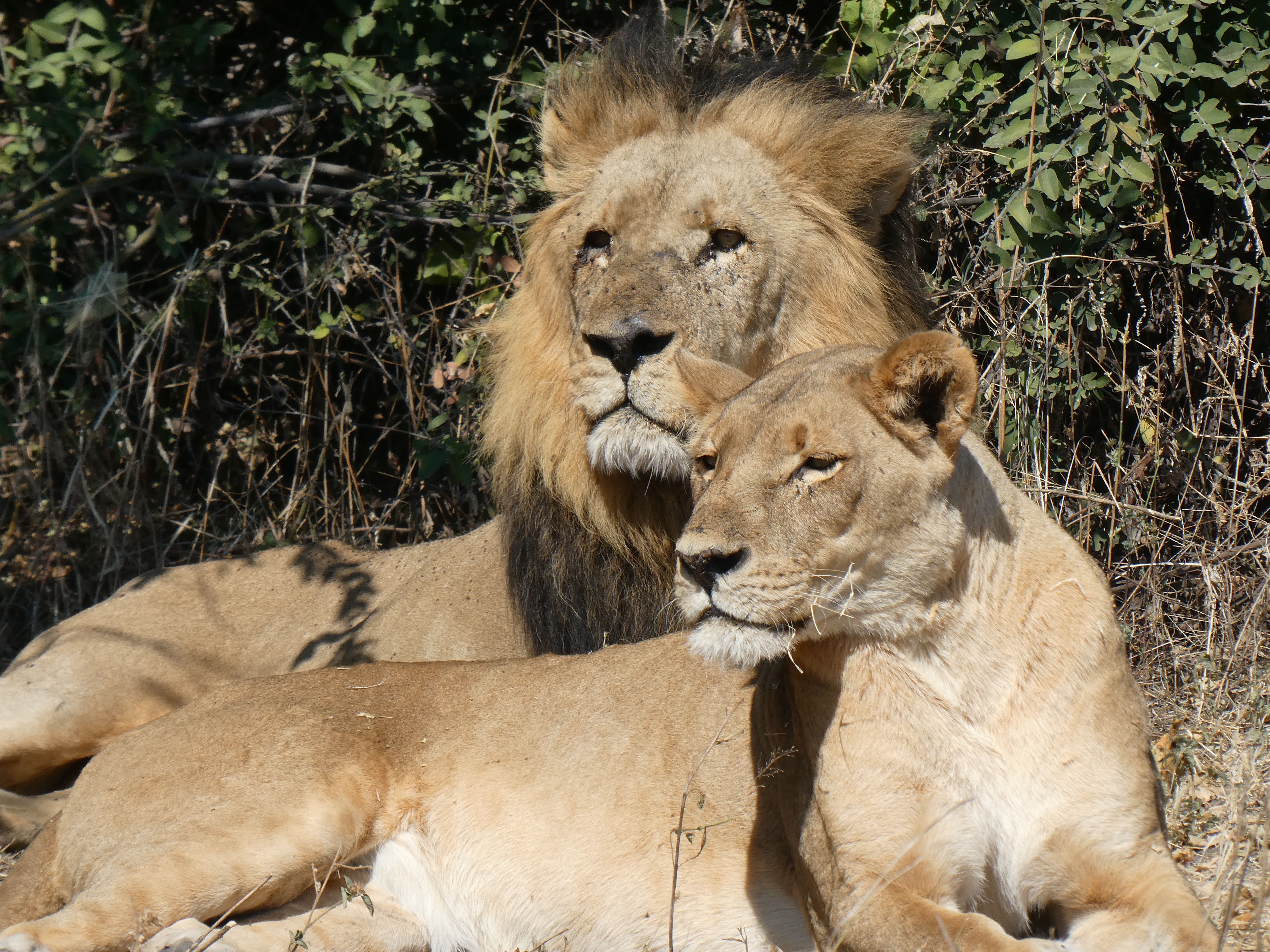
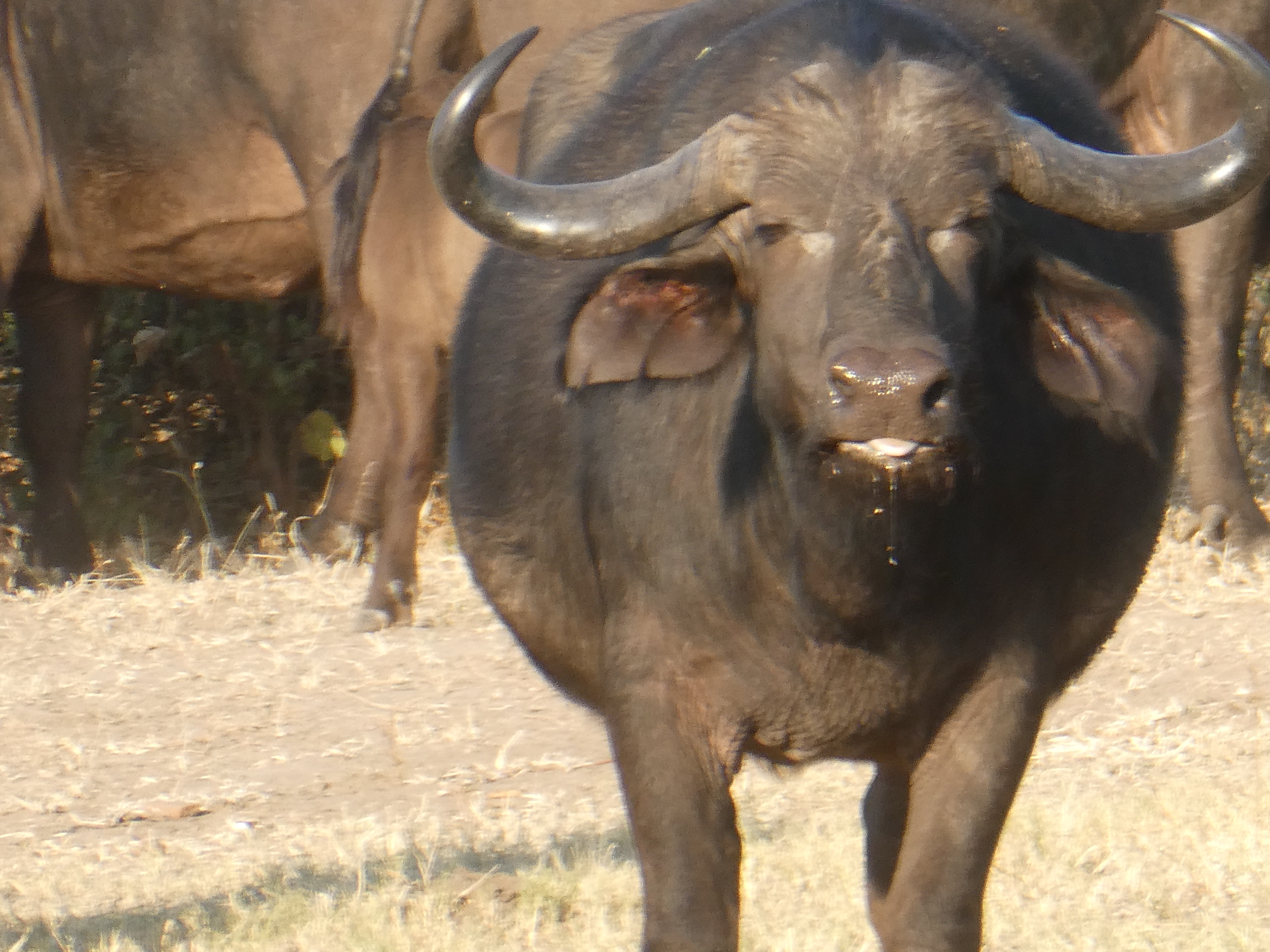

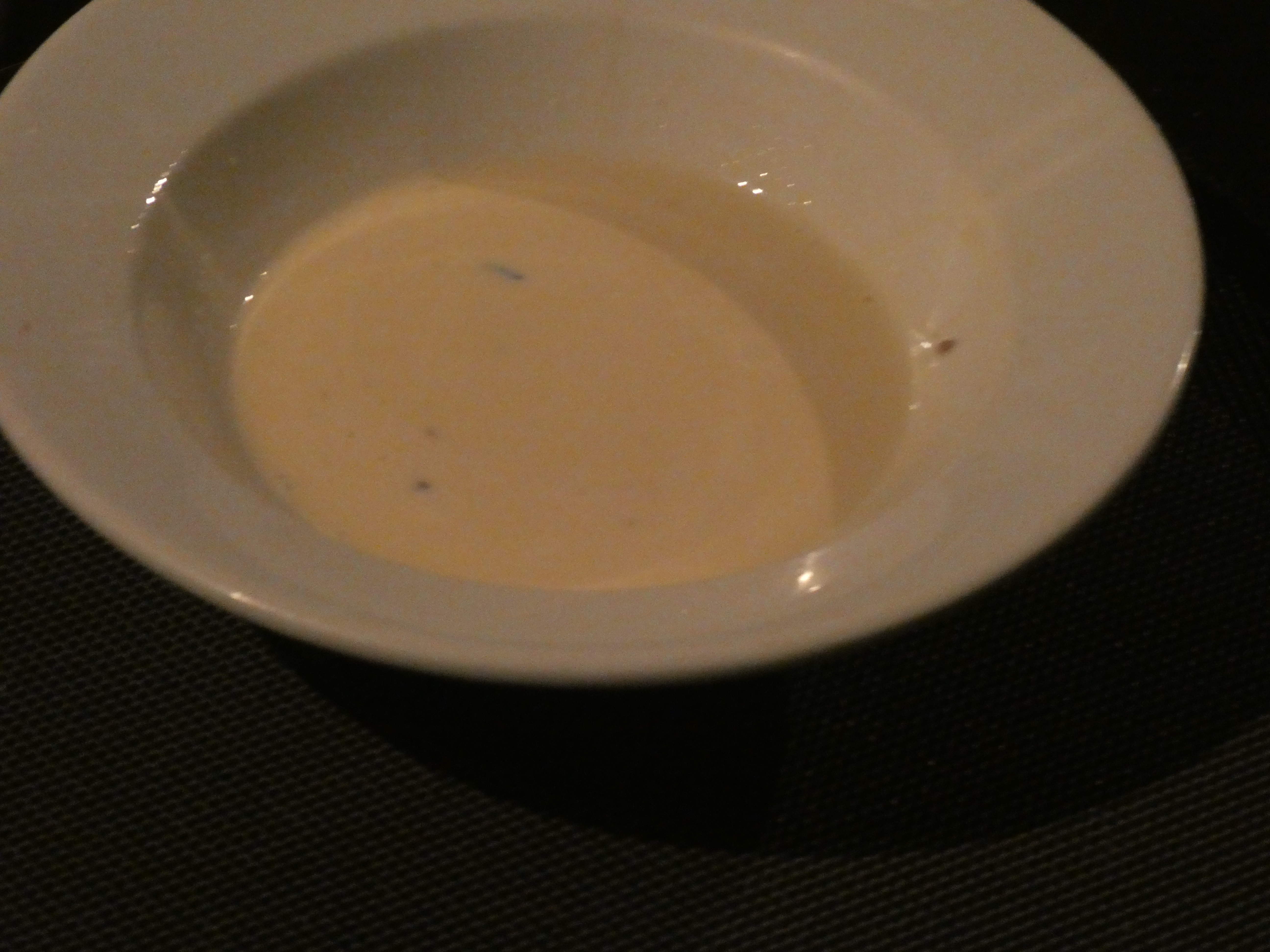
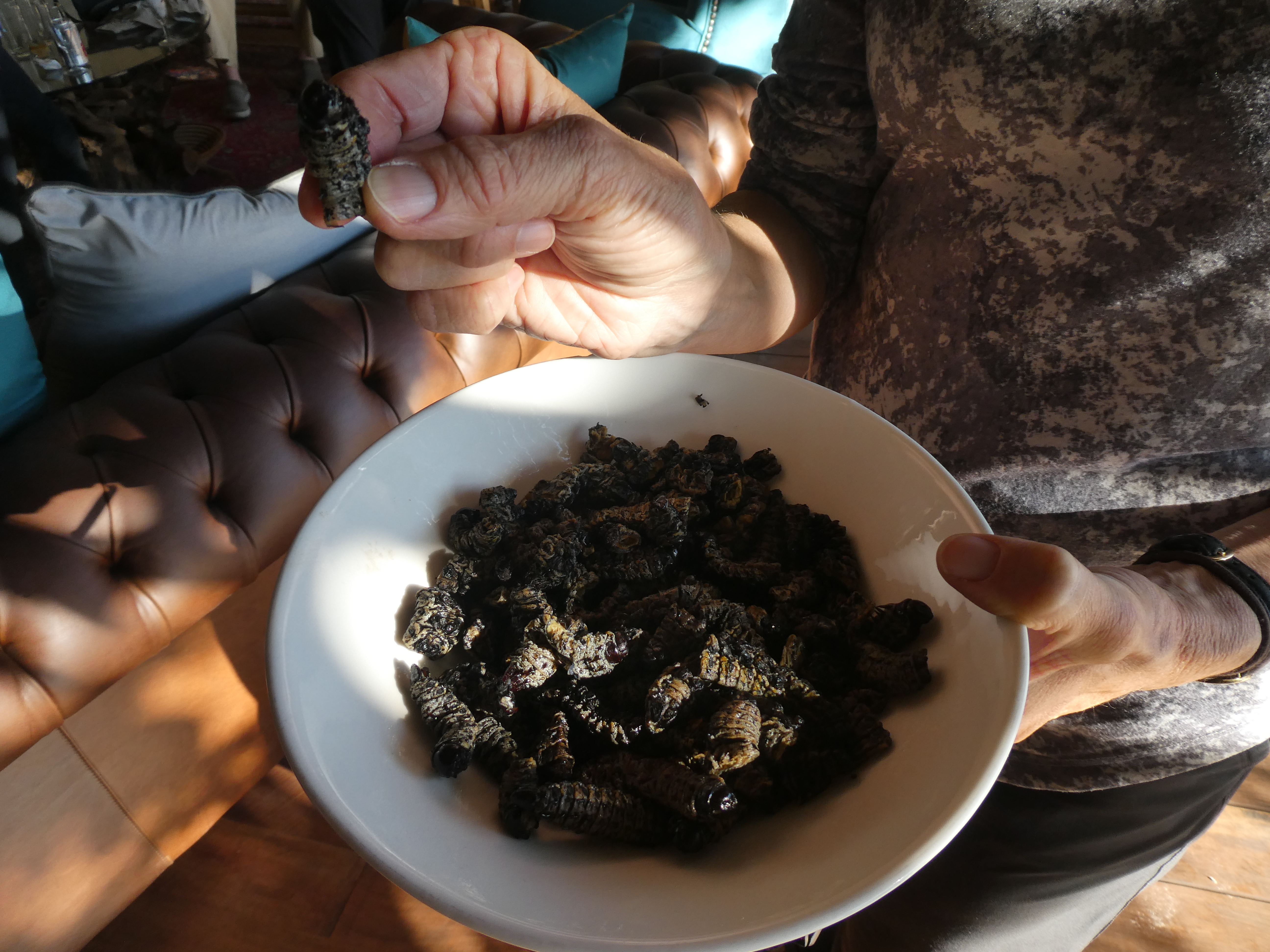
In addition to the sub-par accommodations the food was often a challenge as well. There was plenty of food offered and sometimes it was good. Sometimes it was not so good. Also we had some interesting cultural experiences. For example we were offered ice cream in one park. One of our fellow travelers asked for 3 scoops and this is was she got.
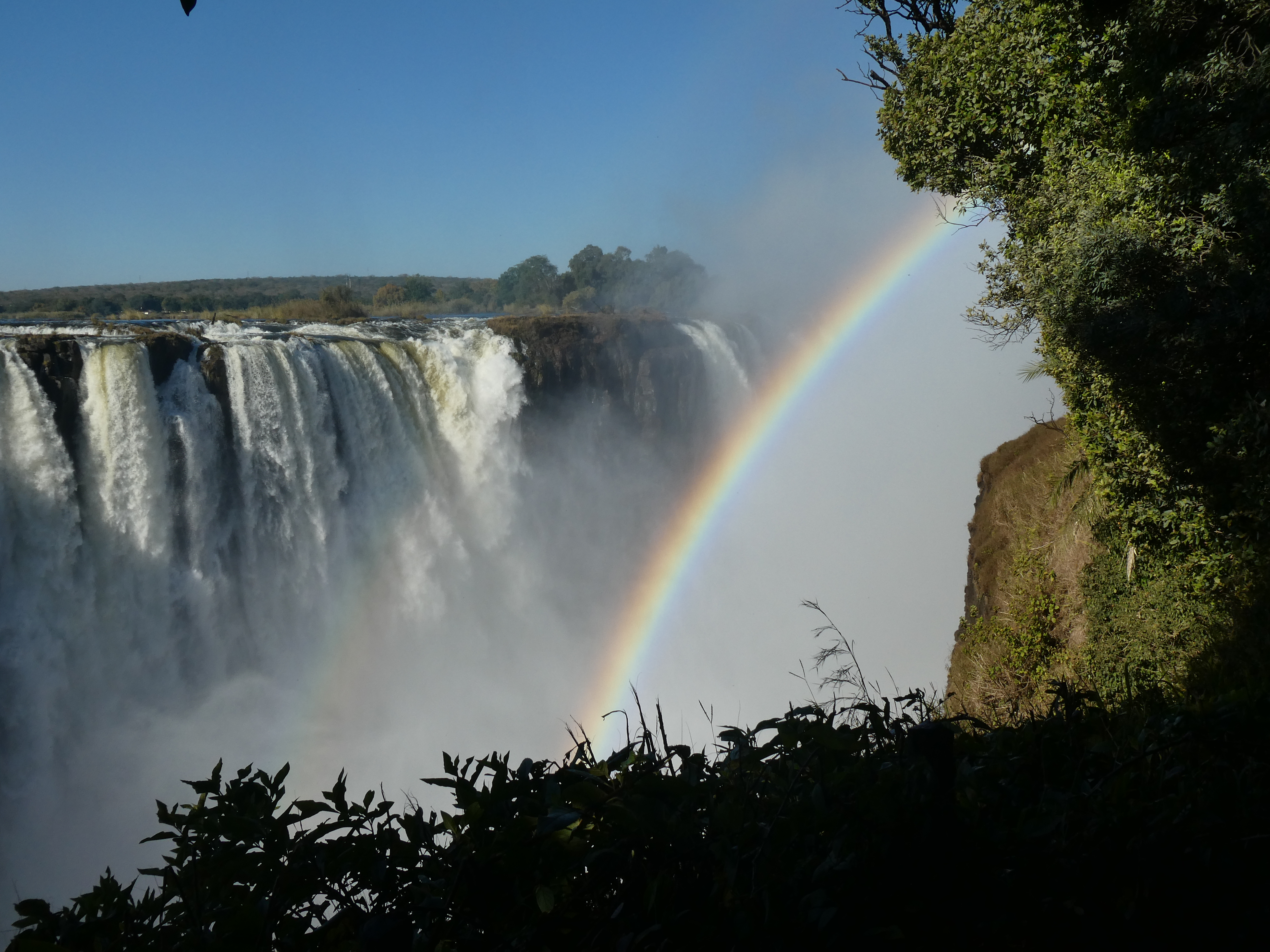
After the 12 days of safaris we headed to Victoria Falls. I had been told that these were as spectacular as the Iguazú Falls that border Brazil and Argentina. We have now seen both and I can’t decide between the two. They are both amazing sights of nature.
The Falls were great but even better was the hotel. IT WAS WARM IN THE ROOM. The shower was bit odd. It didn’t have a shower door or curtain and was adjacent to the sink. This left the bathroom floor flooded after either of us showered. But I didn’t care, the room was warm. The hotel food was also very good.
After completing our visit to Victoria Falls seven of our travelers either went home or to other locations to continue their trip. Patrice and I (along with 6 other travelers and our guide) headed to Cape Town.
Animal sightings in Cape Town were sparse but we did learn a lot about South Africa during our four days in the city. The first night we were invited to have dinner at the home of a family who reside just. outside of the city. We learned that the people in South Africa are divided into ethnic categories, White, African (what we would refer to as Black or African-American; obviously that term would be meaningless here since they are not Americans) and mixed ethnicity referred to as “Colored”. They are very aware that “Colored” has a negative connotation in the States but not so in South Africa. In fact one of our tour guides referred to himself as Colored (or do they spell it Coloured?) and our hosts for dinner also described themselves as colored. Since the elimination of Apartheid (1994) people have been allowed to live wherever they choose (and can afford) but in spite of 25 years of democracy there is still marked segregation in neighborhoods. Of great interest (and we learned that this was not an accident) White, African and Colored neighborhoods are often separated by natural and man-made barriers to help prevent mixing of the races. For example it is not unusual to see an interstate dividing two such neighborhoods (called Townships).
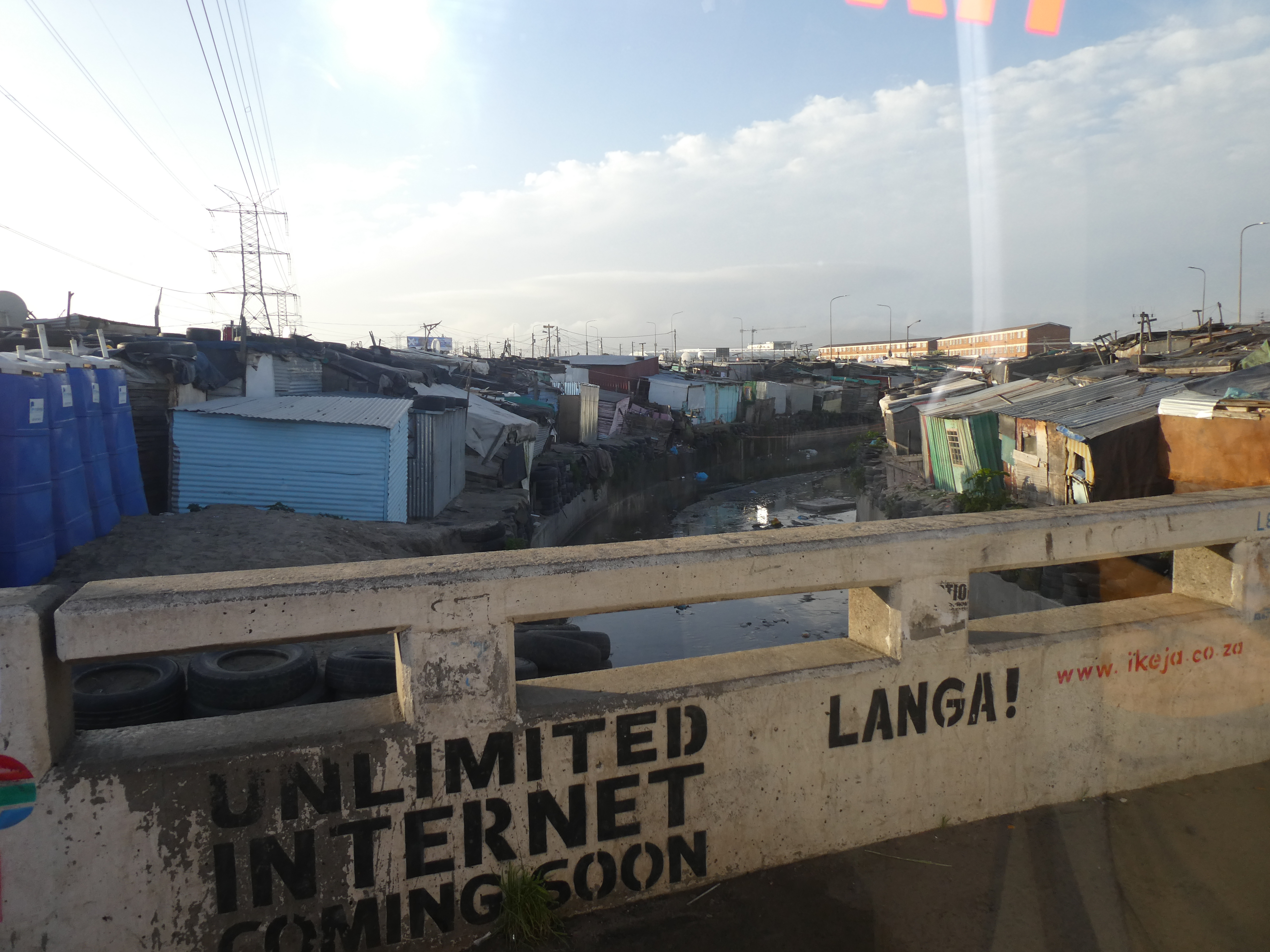
We were also given a tour of the townships and this was very eye opening. In spite of 25 years of democracy people are still living (estimated 1,000,000 outside of Cape Town) in shacks with limited services. We also saw this in Johannesburg but at the time I didn’t realize it was so pervasive.
While in Cape Town we also visited Robben Island where Nelson Mandela was imprisoned for 18 of his 27 years of incarceration. We took a drive along the coast to the Cape of Good Hope and stopped to see penguins just north of the Cape (yes penguins in Africa). Patrice and I visited the District Six museum. This museum commemorated an area (called District Six) where “Coloreds” lived until 1966 when it was decided that this should be a “Whites Only” neighborhood. Sixty thousand people were displaced from their homes and essentially dumped into townships (what we would call slums or ghettos). The homes were destroyed and to this day the area has not been redeveloped. The District is now the residence for homeless people living in tents and trash that has been dumped there.
After our 10+ hour flights from Cape Town to London then London to Los Angeles, It’s good be home. Even if I was up at 2 AM writing this blog entry. Now I have to get ready for work. And, of course, plan our next trip.
 Robert Reiss Travel Blog and Other Ramblings